

We interpret the world through mental stories. These stories guide what we believe is possible. To expand options, you must question the assumptions behind your current frame and choose a story that creates better possibilities.
Most people live in measurement, where life is about comparison and scarcity. Possibility asks you to view life as abundant and generative. When you release the need to compete, you can create, collaborate, and lead with far more freedom.
Giving someone an A means treating them as if they have already reached their best potential. This removes judgment and builds trust. People naturally rise to the expectations embedded in this generous mindset.
Instead of chasing success or avoiding failure, see your role as making a contribution. This shift quiets self-criticism and anxiety. It focuses your attention on the value you create rather than on how you compare.
Leadership is not tied to position. Anyone can influence the quality and direction of a group by empowering others and listening for passion and commitment. The goal is not personal credit but collective excellence.
Rule Number 6 is simple. Do not take yourself so seriously. When you relax the ego, you reduce conflict, invite humor, and see situations more clearly. This improves relationships and decision-making.
Possibility begins with accepting facts without resistance. Seeing a situation clearly allows you to choose constructive action rather than deny, avoid, or blame. Acceptance is not resignation. It is the starting point for effective change.
Passion emerges when you stop focusing on control and allow creative energy to flow. When you connect to the larger pattern you are part of, performance and expression become more natural and powerful.
Inspiring others does not require pressure. It requires offering what excites you and trusting that others are ready to be moved. Enrollment happens when you share possibility with clarity and enthusiasm.
Instead of seeing yourself as a victim of events, imagine you are the board on which the events occur. This mindset reinforces responsibility and agency. You cannot control everything, but you can control how you frame and respond to it.
Possibility grows when the surrounding environment supports it. Clear visions, positive language, and well-designed structures encourage people to act beyond fear and scarcity. The right framework expands what a group believes it can achieve.
The final practice shifts from individual to collective identity. A “we” story unites people around a shared purpose. When individuals focus on connection and collaboration rather than personal gain, possibility expands for everyone.
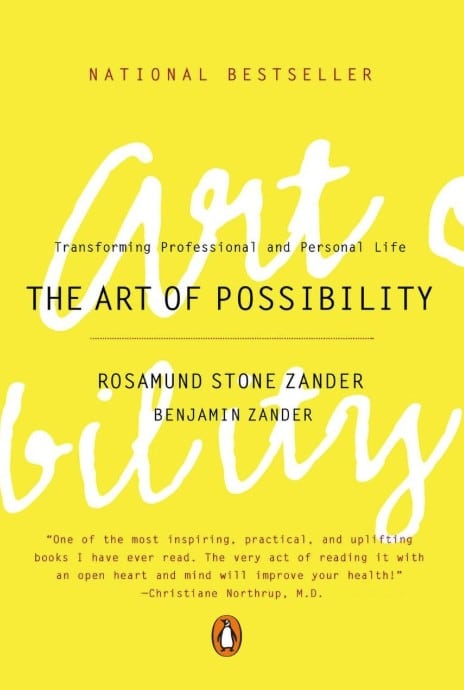
The Art of Possibility argues that most limits in life come not from circumstances but from the stories we place around those circumstances. The authors contrast two worlds. The first is the world of measurement, where people judge, compare, protect status, and treat life as a competition. The second is the universe of possibility, where people choose interpretations that expand creativity, connection, and impact. The entire book is built around shifting from one world to the other by replacing restrictive narratives with ones that create room to act.
Rather than treat success as a scarce resource, the Zanders invite you to approach work and life with an attitude of contribution. When you assume there is enough opportunity and respect to go around, you stop defending yourself and start empowering others. This leads to more generous leadership, stronger relationships, and a sense of meaning that does not depend on winning. The practices in the book encourage readers to focus on growth, curiosity, responsibility, and collaboration rather than fear or perfectionism.
A recurring message is that you regain power when you take responsibility for your role in any situation. Accepting reality as it is, without pretending or resisting, creates clarity. Seeing yourself as the “board” rather than a “piece on the board” shifts you from reacting to designing the environment. This mindset produces better decisions in families, organizations, and personal challenges because it moves attention away from blame and toward agency.
The final theme is community. The book ends by emphasizing that true possibility comes from a shared story rather than individual heroics. Vision, passion, humor, and open communication create environments where people feel free to contribute and innovate. When a group operates from possibility rather than scarcity, the collective energy becomes the engine for progress.