

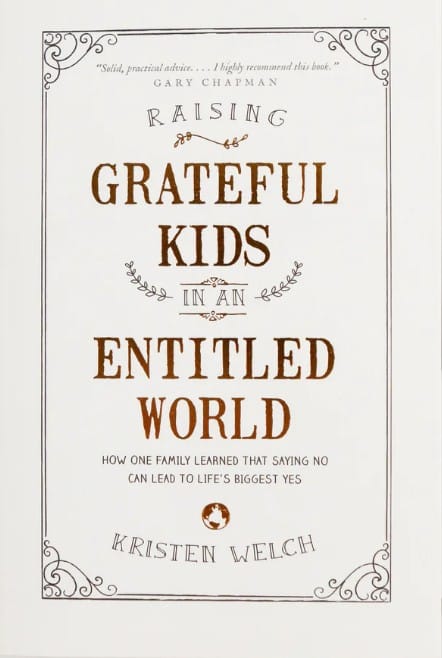
Welch explains how modern parenting often confuses wants with genuine needs. Constant comfort creates entitlement, while boundaries and responsibility build character. She encourages parents to simplify and teach discernment early. The goal is to help children value what matters instead of craving more.
Welch reflects on how technology, busyness, and rising expectations shape today’s families. Luxuries have become assumed necessities, which increases entitlement. She urges parents to challenge cultural norms and choose a healthier definition of what a family needs. This requires courage and clarity.
This chapter outlines common parental mistakes, such as rescuing kids too quickly or avoiding hard conversations. These habits unintentionally weaken resilience and increase entitlement. Welch explains how intentional correction and consistent expectations help children grow. Parents must guide rather than overprotect.
Welch describes how social media encourages comparison and self-focus. Children begin to measure worth by appearance, attention, and approval. She encourages parents to direct their children toward humility, authenticity, and service. Identity should be shaped by character rather than digital validation.
Welch argues that technology use requires active oversight. Clear rules and limits help protect emotional and relational health. She provides practical ideas for creating healthier tech habits. Families should use devices as tools rather than sources of distraction.
Obedience is framed as a skill that teaches respect, security, and self-control. Welch emphasizes consistent discipline and clear expectations in the home. Boundaries help children understand the consequences of their choices. This prepares them for responsibility in adulthood.
Welch explains that gratitude grows from a home shaped by compassion, forgiveness, and patience. Children learn more from example than instruction. Parents are encouraged to model humility and daily faith practices. A loving environment strengthens family character.
Gratitude requires practice rather than emotion. Welch encourages families to create routines that reinforce appreciation, such as speaking thankfulness and serving others. Choosing gratitude helps shift focus from scarcity to sufficiency. Over time, it becomes a habit that shapes perspective.
This chapter focuses on applying gratitude in everyday life. Welch shares practical habits like chores, generosity, and reflection. These routines help gratitude become part of family culture. Consistent practice strengthens character and reduces entitlement.
Welch closes by encouraging parents who feel overwhelmed. Raising grateful children is hard and countercultural, yet deeply worthwhile. She reminds parents to stay committed and to rely on grace when mistakes happen. Change is steady and gradual, not instant.
Raising Grateful Kids in an Entitled World explores how modern culture encourages excess, comparison, and comfort, which often results in children who feel entitled rather than thankful. Welch argues that gratitude does not grow naturally. It requires clear boundaries, intentional choices, and consistent modeling from parents. She explains how confusion between wants and needs creates cycles of indulgence, and how cultural pressures add to the challenge by normalizing convenience and constant upgrading.
Welch offers practical guidance for resisting these pressures. She highlights the importance of discipline, healthy technology use, humility, and service to others. She emphasizes that gratitude is a daily decision shaped by routine actions rather than occasional lessons. Families build gratitude when they establish expectations, encourage responsibility, and practice appreciation together.
Faith, compassion, and parental example are central themes throughout the book. Children learn gratitude and character by watching the adults around them. A home shaped by love, forgiveness, and purpose provides a foundation that counteracts entitlement. Welch reminds parents that progress may feel slow, but the long-term impact of intentional parenting is profound.