

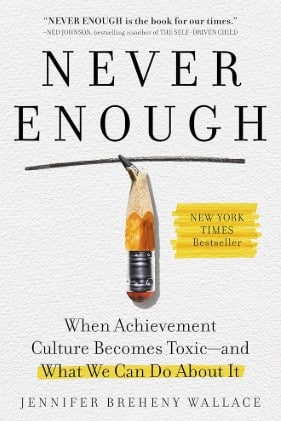
Wallace opens by describing a culture where success is defined by narrow external markers such as test scores, awards, elite college admissions, and financial milestones. Children absorb the message that their worth depends on performance, which fuels anxiety, burnout, and emotional exhaustion. Achievement pressure has become so intense that even students in high-performing schools now qualify as an at-risk group.
Chronic striving creates perfectionism, stress, and fragile self-esteem. Wallace shows how these pressures distort identity, strain family relationships, and undermine mental health. Naming the forces driving this culture is the first step toward countering them. Families must recognize how constant benchmarking, overloading, and fear of falling behind erode well-being.
Wallace argues that the antidote to toxic achievement is “mattering,” the belief that one is valued for who they are rather than what they accomplish. Research shows that mattering builds resilience, confidence, and belonging. Children thrive when they feel seen, valued, and important, independent of performance.
Parents often unintentionally reinforce achievement culture by prioritizing outcomes over connection. Résumé building replaces relationship building, and children internalize the belief that their worth equals their productivity. Wallace emphasizes that parental well-being, emotional regulation, and modeling of balance are foundational to healthier family dynamics.
Competitive school environments intensify pressure through standardized testing, heavy workloads, and relentless college admissions expectations. Wallace encourages reframing school success away from prestige and toward genuine learning, curiosity, and sustainable well-being. Families must advocate for environments that support healthy development, not constant evaluation.
Social comparison fuels chronic dissatisfaction. In affluent or competitive communities, children continually measure themselves against peers’ achievements and lifestyles. Social media amplifies this effect. Wallace explains how envy erodes identity and joy, urging families to cultivate internal metrics of success rooted in values and intrinsic interests.
Healthy expectations foster resilience. Wallace shows that unconditional support, open conversations about values, and emphasis on character over achievement help children develop secure identities. Resilience grows when expectations encourage effort, curiosity, and growth rather than perfection.
Small, intentional shifts at home create wide-reaching change. When parents model balance, express unconditional support, and emphasize mattering, children recalibrate emotionally. These small adjustments compound into stronger relationships, healthier motivation, and a family culture grounded in connection rather than performance.
Never Enough examines the rise of achievement culture and its damaging impact on young people. Jennifer Breheny Wallace reveals how children today are exposed to constant pressure to excel, often to a degree once associated only with at-risk populations. High-achieving schools, competitive communities, and a societal obsession with performance have created environments where young people feel that their value depends on what they produce rather than who they are. The result is widespread anxiety, burnout, and a crisis of identity.
Wallace traces the origins of this pressure to economic insecurity, cultural expectations, and parental fears of falling behind. She argues that well-meaning parents often reinforce harmful norms by overemphasizing productivity and outcomes. This leaves children with little emotional room to explore identity, make mistakes, or develop intrinsic motivation. Wallace identifies “mattering” as the central protective factor. When children feel valued for their inherent worth, not their accomplishments, they develop resilience, confidence, and a healthier relationship with achievement.
The book also highlights the role of schools, peer groups, and social media in amplifying comparison and envy. Wallace encourages families to refocus on balance, genuine learning, and character development. By setting realistic expectations, modeling emotional well-being, and emphasizing connection over performance, parents help children reclaim agency and joy.
Ultimately, Wallace calls for a cultural shift in how success is defined. Sustainable achievement is rooted not in endless striving but in belonging, purpose, and mattering. When families prioritize emotional health and authentic connection, children can grow into grounded, capable adults who pursue excellence without sacrificing their well-being.