

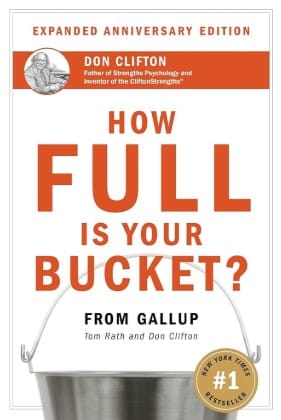
The book opens with the core metaphor that everyone carries an invisible bucket and dipper. Positive interactions fill our buckets, increasing well-being and energy. Negative interactions dip from them, draining motivation and health. This framework sets up the central argument: our daily interactions shape our happiness, productivity, and relationships far more than we realize.
This chapter illustrates the destructive impact of chronic negativity through research and historical examples. Even in ordinary life, consistent negativity weakens resilience, harms relationships, and reduces performance. The authors show that negative interactions carry disproportionate weight, making it essential to reduce unnecessary criticism and emotional withdrawal.
The authors explore how positive interactions fuel higher engagement, creativity, and job satisfaction. Recognition and praise have measurable effects on individual and team performance. While negative interactions are harmful, positive ones are more powerful in the long run, making intentional encouragement a practical tool for improving workplaces and families.
People experience thousands of emotional moments each day, and even brief interactions can significantly influence well-being. The chapter introduces research from positive psychology, showing how positive emotions strengthen physical and mental health, broaden thinking, and build lasting resilience. Small moments of kindness add up to substantial lifetime impact.
Tom Rath’s personal story highlights how consistent bucket filling throughout his childhood created resilience that helped him face a serious medical condition later in life. His experience demonstrates that sustained encouragement can shape identity, optimism, and coping skills. Positive reinforcement over time becomes a long-term emotional reserve.
Effective bucket filling must be specific, individualized, and sincere. People respond best when recognition is tailored to their unique strengths and preferences. Generic praise does little to build trust or motivation. When recognition feels personal and authentic, it strengthens relationships and boosts performance.
The authors outline five practical habits: prevent bucket dipping, focus on what is right, build close relationships, give unexpectedly, and tailor encouragement to each person. These strategies make positivity a daily practice rather than a vague ideal. By applying them consistently, people create healthier, more productive environments at work and at home.
How Full Is Your Bucket? argues that every interaction in daily life either fills or drains an invisible “emotional bucket,” which influences well-being, performance, and relationships. Using this simple metaphor, Tom Rath and Donald O. Clifton explain how positive interactions strengthen mental and physical health, while negative ones steadily diminish energy, motivation, and even longevity. Research from psychology and real-world examples, including extreme cases of emotional deprivation, show that human beings depend on positive reinforcement and supportive relationships to function at their best.
The authors emphasize that small moments carry enormous weight. People experience thousands of emotional micro-interactions each day, and each one affects how they think, feel, and behave. Positive emotions broaden perspective, increase creativity, and build resilience, while negative emotions narrow thinking and weaken connection. The book highlights that recognition and appreciation are among the most effective ways to fill buckets, but only when they are sincere, specific, and meaningful to the individual.
To help readers apply the ideas, the authors present five practical strategies: avoid behaviors that drain others, focus on what is going well, form close and supportive relationships, give in unexpected ways, and personalize recognition. These habits create healthier workplaces, stronger families, and more fulfilling communities. The central message is that filling the buckets of others also fills your own, creating a cycle of positivity that supports long-term happiness and strong relationships.