

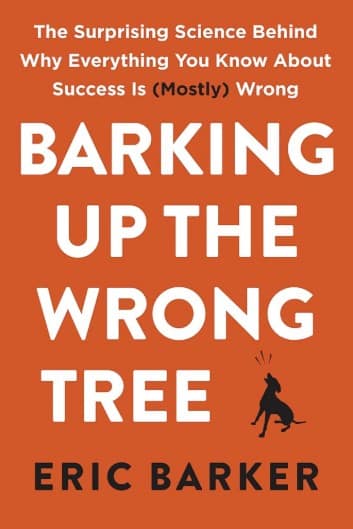
Barker opens by arguing that common success advice is often incomplete or misleading. Real success depends on understanding who you are, choosing environments that fit your strengths, and recognizing that traits often labeled as weaknesses can become strengths in the right circumstances. He introduces the idea of “intensifiers,” qualities that can be liabilities in one context but powerful advantages in another.
Barker contrasts filtered rule-followers with unfiltered unconventional achievers to show that both approaches can work depending on context. He recommends figuring out whether you thrive by following systems or by breaking them, and stresses “pick the right pond” because you tend to become like the people around you. Success, he suggests, begins with choosing environments aligned with your nature rather than blindly following rules.
Drawing on research about givers, matchers, and takers, Barker shows that being “nice” can lead to failure or extraordinary success depending on boundaries. Givers finish last when they exhaust themselves, but finish first when they help strategically and avoid exploitation. Moderate trust and generosity outperform both cynicism and blind faith, since “Matchers wait and miss too many opportunities” while takers burn bridges.
Barker argues that grit matters, but persistence is only useful when aimed at the right goals. The most successful people quit the wrong paths quickly and double down on the right ones. He highlights how optimism fuels grit, but notes that pessimistic accuracy prevents wasted effort. He encourages readers to clarify what truly matters by imagining their own eulogy, allowing them to quit distractions and focus on meaningful pursuits.
This chapter emphasizes the power of relationships, explaining that strong networks, gratitude, and generosity drive opportunities. Barker shows that listening and asking about others creates fast rapport and that reconnecting with old friends strengthens social capital. He also highlights the major impact of mentors, who accelerate expertise and open doors when the relationship is genuine and reciprocal.
Barker cautions that confidence can help or harm. Overconfidence blinds people to weaknesses, while low self-confidence paired with ambition can improve performance. He argues that the most reliable foundation is self-compassion rather than self-esteem, since self-compassion “is strongly related to psychological wellbeing” and avoids the delusion or fragility that often comes with inflated confidence. Belief in yourself is useful, but only when balanced with clear awareness.
Research shows that extreme hours do not create extreme success. Productivity collapses past fifty-five hours, creativity improves with rest, and lack of sleep ruins judgment. Barker recommends turning work into a game with clear goals, using routines to reduce friction, protecting focused time, and planning ahead to avoid reactive busyness. The people who thrive work hard, but they also rest intentionally and design sustainable habits.
Barker closes by redefining success through four metrics: happiness, achievement, significance, and legacy. A meaningful life requires balancing all four rather than chasing a single measure. He encourages readers to track how they spend time, clarify what “good enough” looks like, and regularly adjust their choices. Success, he concludes, comes from aligning your actions with who you are, what you value, and the life you want to create.
Eric Barker’s Barking Up the Wrong Tree argues that success is less about following universal rules and more about understanding yourself and choosing environments that fit. He encourages using feedback analysis to identify strengths by writing down expectations, then later comparing them with results. Barker also stresses the importance of choosing the right “pond,” noting that “you’re going to become like” the people you work with.
Personality plays a key role. Givers, matchers, and takers each succeed differently, but givers rise highest when they avoid overextending. Moderately trusting others leads to better outcomes than extreme skepticism or extreme openness. Listening, asking questions, and offering genuine help build strong relationships and long-term advantages.
Grit and optimism matter, but optimism must be balanced with realism. Barker shows that the stories people tell themselves shape their persistence and recommends clarifying personal values by imagining what you want others to say at your funeral. Productivity improves when work is structured like a game with clear goals and feedback. Rest is essential since performance drops sharply after long hours, and sleep loss undermines creativity and judgment.
Barker reframes success around four metrics: happiness, achievement, significance, and legacy. Balancing these prevents life from collapsing into a single measure. Satisficing, choosing what meets your needs without chasing every option, consistently leads to greater satisfaction.
Strong relationships and mentors accelerate growth. Giving first, reconnecting with people, and expressing gratitude strengthen networks. The best mentors are informal relationships built on effort, follow-through, and mutual respect.
Confidence can help, but self-compassion is more reliable. Barker explains that self-esteem often creates delusion, while self-compassion increases clarity, resilience, and psychological wellbeing.