

Money itself is neutral. Outcomes depend on the mindset and values guiding its use. When people view wealth as a responsibility rather than an entitlement, decisions become more disciplined and less driven by ego or fear. Wealth is positioned as a tool to support purpose, service, and long-term impact rather than as a measure of personal worth or success.
Across history, prosperity has been paired with accountability. Abundance brings opportunity, but also responsibility to avoid excess, exploitation, and misuse. Wealth functions best when paired with humility, fairness, and restraint. Left unchecked, it can distort priorities and decision-making.
Effective stewardship rests on intentional management, accountability, and discipline. Every decision around spending, saving, giving, and investing reflects underlying values. Stewardship is less about accumulation and more about alignment…ensuring resources support clearly defined goals, responsibilities, and principles over time.
Short-term financial gains are temporary, while the impact of values-driven decisions lasts far longer. When wealth is evaluated through a long-term lens, anxiety decreases and generosity increases. Priorities shift away from immediate gratification toward outcomes that endure across generations.
Healthy systems and institutions play a vital role in education, social stability, and community well-being. Purposeful financial support of organizations that strengthen people and communities creates leverage beyond individual action. Effective giving is intentional, structured, and aligned with shared goals.
Meaningful giving is voluntary, intentional, proportional, and values-driven. It should never be motivated by guilt, pressure, or image. Thoughtful generosity reinforces discipline, protects against excess, and helps ensure wealth serves a purpose beyond consumption.
There is no single formula for effective giving. Rigid rules matter less than consistency, intentionality, and alignment with personal values. The focus should be on sustainable generosity that fits the individual or family’s financial capacity and long-term objectives.
Integrity is essential to long-term financial success. Ethical earning, transparent management, and honest decision-making build trust across families and generations. Wealth that grows without integrity introduces risk…financially and relationally. Stewardship and character must scale together.
True prosperity is not defined by accumulation alone, but by clarity, stability, and contentment. Wealth disconnected from values often creates stress and fragility. Wealth anchored in purpose produces confidence, balance, and the ability to make decisions without fear or pressure. Prosperity is ultimately measured by impact, consistency, and alignment with what matters most.
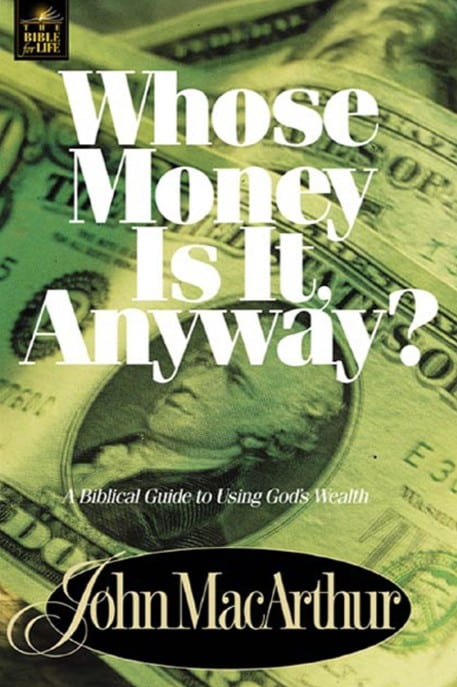
Whose Money Is It Anyway? reframes wealth as a responsibility rather than a possession. The book argues that money itself is neutral; outcomes depend on intent, discipline, and values. When individuals view resources as entrusted capital rather than personal entitlement, decisions become calmer, more intentional, and less driven by fear or status. The emphasis is on integrity, accountability, generosity, and long-term impact instead of accumulation for its own sake. True prosperity is defined as clarity, contentment, and the ability to deploy resources in ways that strengthen relationships, communities, and long-term legacy.