

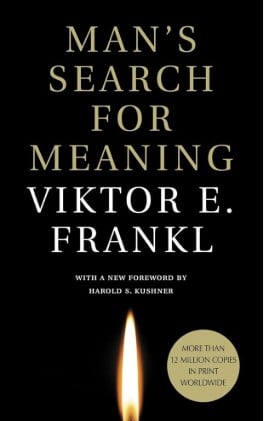
Frankl describes the psychological stages prisoners endured, beginning with shock and followed by emotional numbness as survival became the only focus. Even in extreme deprivation, people retained the freedom to choose their inner attitude. Those who held onto purpose, such as love or unfinished work, showed greater resilience. Small moments of beauty reminded them that meaning remained possible.
Frankl explains that the primary human motivation is the search for meaning. When meaning is missing, people feel empty or directionless. He outlines three pathways to meaning through purposeful work, through love, and through adopting a courageous response to unavoidable suffering. Logotherapy guides people to take responsibility for the tasks life presents.
Frankl argues that people can remain hopeful even when faced with pain, guilt, or death. Suffering can become an opportunity to show character and grow. Tragic optimism is not naive cheerfulness but the commitment to live meaningfully despite hardship.
Winslade, a philosopher and medical ethicist, explains why Frankl’s ideas remain influential across psychology and moral philosophy. He notes that logotherapy directs people toward responsibility and forward action rather than dwelling on past suffering. In a world marked by distraction, drifting purpose, and uncertainty, Frankl’s focus on meaning offers a practical anchor for modern life.
Man’s Search for Meaning combines Viktor Frankl’s account of life in Nazi concentration camps with the foundations of his therapeutic approach, logotherapy. In the first half, Frankl describes the psychological stages prisoners endured: the initial shock of dehumanization, the numbness that followed, and the complex emotions that emerged after liberation. Amid hunger, brutality, and uncertainty, he observed a consistent truth. Even when every freedom was taken, individuals still retained the ability to choose their inner attitude. Those who survived most resiliently held onto a sense of purpose, whether anchored in a loved one, unfinished work, or the belief that their suffering could still hold meaning.
In the second half, Frankl explains logotherapy, which teaches that the primary human drive is the pursuit of meaning. When people lack meaning, they fall into an existential vacuum marked by boredom, anxiety, or drift. Frankl outlines three ways to find meaning: through purposeful work, through love and deep connection, and through adopting a courageous attitude toward suffering that cannot be avoided. Meaning cannot be pursued directly. It arises when a person takes responsibility for the tasks life presents.
Frankl concludes with the idea of tragic optimism, the belief that people can remain hopeful even in the presence of pain, guilt, and death. He argues that adversity can become an opportunity for growth, moral clarity, and deeper appreciation of life. His central message is simple and enduring. We cannot always control our circumstances, but we can choose our response, and in that choice lies the possibility of meaning.